Phase I Environmental Site Assessment: Do You Need One Before Buying Commercial Land?
A phase 1 environmental site assessment is a study of a property’s past and present uses, done before you buy, to find signs that hazardous substances or petroleum may have been released there. For commercial land, it does two jobs at once. It tells you what you might be inheriting, and it is the main step a buyer takes toward federal protection from cleanup liability.
We sell commercial land in Osage Beach, and buyers ask about this early, usually when they’re drafting an offer. This post explains what a Phase I is, why buyers and lenders care about it, and the timing rules that trip people up. It isn’t legal advice. An environmental attorney and a qualified environmental professional are the people to make the calls for your purchase.
Why a Phase I Environmental Site Assessment Matters
The federal Superfund law, CERCLA, holds owners of contaminated property strictly liable for cleanup. In the EPA’s words, strict liability “means that liability for environmental contamination may be assigned based solely on property ownership,” according to the EPA’s All Appropriate Inquiries page. You don’t have to have caused the problem. Owning the land can be enough.
In 2002, Congress amended CERCLA to add landowner liability protections, as the EPA explains. Three groups can qualify:
- Innocent landowners, who can show they did not know and had no reason to know about contamination when they bought.
- Contiguous property owners, whose only contamination comes from a neighboring site, and who had no reason to know about it before buying.
- Bona fide prospective purchasers, who may buy even with knowledge of contamination, as long as they meet the statute’s criteria.
Those protections are self-implementing. Nobody issues you a certificate. You qualify by doing what the statute requires, and the first requirement is conducting “all appropriate inquiries” (AAI) before you take title. After closing, you also have continuing obligations to keep the protection, according to the EPA’s brownfields FAQ. A Phase I report is how buyers document that inquiry.
How AAI and ASTM E1527-21 Fit Together
AAI is a federal rule, found at 40 CFR Part 312. The Phase I is the industry practice built to meet it. According to the EPA’s AAI fact sheet, the ASTM E1527-21 standard for Phase I assessments is consistent with the rule and may be used to comply with it. A separate standard, ASTM E2247-23, covers forestland or rural property.
Most of the work has to be done by, or under the supervision of, an “environmental professional.” The EPA describes that as someone with a state or tribal license or certification plus three years of full-time experience, or a relevant science or engineering degree plus five years of experience. Ask any consultant you hire how they meet that definition.
Under 40 CFR 312.20, the inquiry includes interviews with past and present owners, operators, and occupants, searches for recorded environmental cleanup liens, reviews of federal, tribal, state, and local government records, visual inspections of the property and the properties next to it, and a declaration by the environmental professional. Each of those pieces also carries its own deadline, covered below.
Some of the inquiry also falls on you as the buyer, as well as on the consultant. Tell your environmental professional anything you know about the site’s history.
The Timing Rules
This is where deals get tripped up. A Phase I has a shelf life, and parts of it expire faster than the rest.
The EPA puts it plainly: AAI must be conducted or updated within one year before the date you acquire the property, and the interviews, records review, site visit, and lien searches must be conducted or updated within 180 days before you acquire it. The regulation adds the environmental professional’s declaration to the 180-day list.
Two practical results follow. First, if your closing slides, a report that was fine in March may need an update by fall. Build that into your contract dates. Second, an older report from a prior buyer or the seller doesn’t carry you by itself. The rule allows earlier inquiry results to be used under conditions, but the time-sensitive pieces still have to be brought current for your purchase. Your attorney can tell you how that applies to you.
What Happens if the Report Flags Something
A Phase I doesn’t take samples. It reviews records, interviews people, and walks the site. If the environmental professional finds what ASTM calls a “recognized environmental condition,” the usual next step is a Phase II.
The EPA’s Revitalization-Ready Guide describes a Phase II as an investigation that collects and analyzes samples to determine the type and extent of any release, scoped to the specific property and condition. It generally needs an access agreement with the current owner, which is one more reason to raise environmental due diligence early in negotiations.
Where It Fits When You Buy Land at the Lake
Lenders set their own environmental requirements, and they vary by lender and loan program, so ask yours what it needs before you sign a contract. Then line the work up with your deal:
- Write it into the contract. Give yourself a due diligence period long enough for a Phase I and, if needed, a Phase II.
- Order it at the right time. Too early and the 180-day pieces may expire before closing. Too late and you won’t have time to react.
- Ask for site access. Your environmental professional has to visit the property and look at the land around it.
- Read it with your attorney. The report is a technical document with legal consequences.
Undeveloped land is no exception. A field or a wooded lot can still have a past, and the inquiry covers prior uses of the parcel and of the properties around it. That history is what the report is for.
If you’re looking at one of our properties, we’ll work with your consultant on access and share what we know about each site. Our portfolio of Lake of the Ozarks commercial real estate includes four properties on and near Osage Beach Parkway.

6432 Osage Beach Parkway
8.6 acres on Highway 54 next to Harley-Davidson, with 2 acres ready to build.
See 6432 Osage Beach Pkwy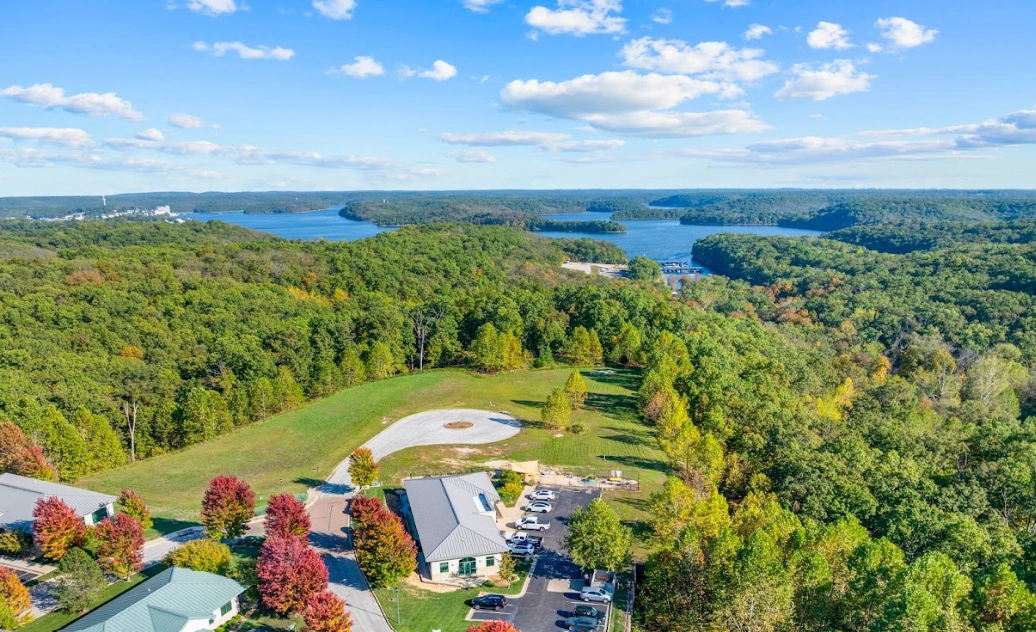
Parkside Village
10 acres zoned C-1 next to a Class A office complex, with a 4-acre build-ready parcel.
See Parkside Village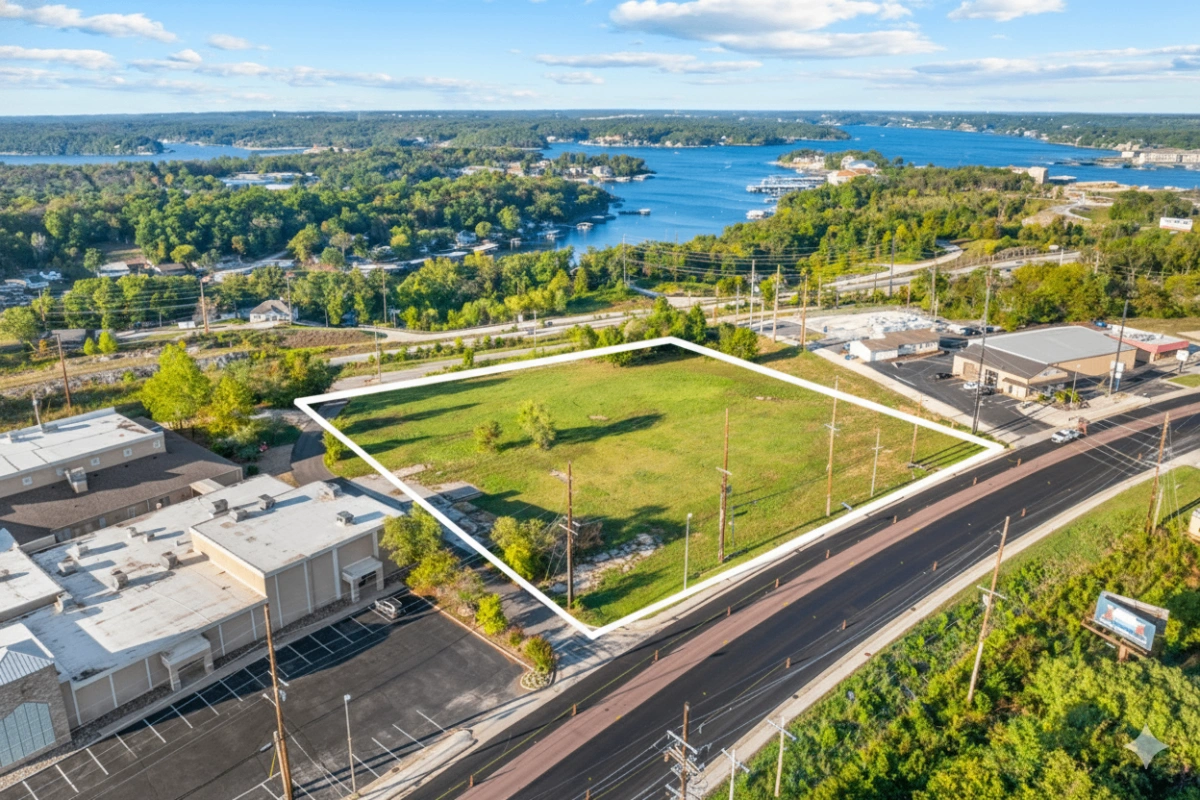
5231 Osage Beach Parkway
About 3 level acres with city water and sewer on site.
See 5231 Osage Beach Pkwy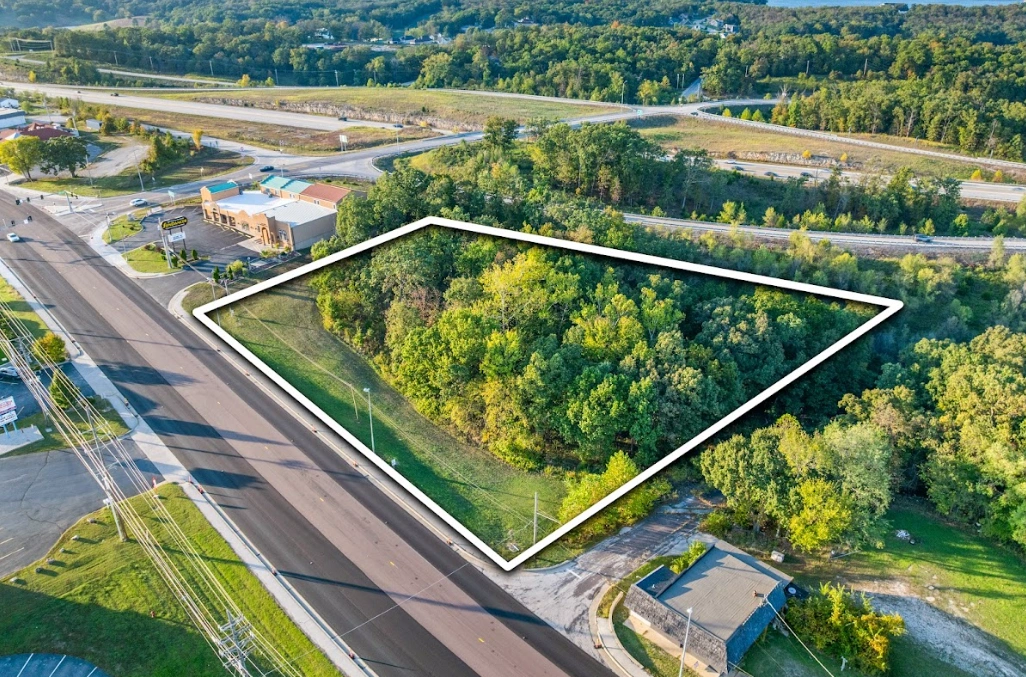
Broadwater Bay
2 acres at a Highway 54 exit, a quarter mile from the lake.
See Broadwater BayPlanning Your Due Diligence?
Call our realtor, Melissa Kranz, at (573) 216-0482, Monday through Saturday.
We reply within 24 hours.