What Is Tax Increment Financing? The Outlet Mall Is a Live Example
Tax increment financing, or TIF, lets a city use the future tax growth from a redevelopment project to help pay for that project. It doesn’t create a new tax. It redirects part of the taxes a project generates, for a set period, back into the project’s costs.
Osage Beach just gave the Lake a live example. In August 2026, the city’s Board of Aldermen voted 6 to 0 to approve tax financing for a $650 million redevelopment of the old outlet mall, according to KY3, with developers to be repaid from tax revenue the finished project generates. We covered the project itself in our post on the Osage Beach outlet mall redevelopment. This one is about the mechanism: what TIF is, how Missouri law structures it, and what it means if you own or buy land nearby.
This is a general explainer, not tax or legal advice. The specific terms of any TIF plan are in the city’s ordinance and plan documents, and an attorney or tax advisor should read those for you.
What Is Tax Increment Financing?
Start with a property’s value before redevelopment. Missouri law calls it the “initial equalized value.” Taxes on that base keep going to the school district, the county, and the other taxing districts, the same as before.
When the project gets built, the property is worth more, and the tax it generates goes up. That increase is the “increment.” Under RSMo 99.805, the property tax on the increase over the initial value is treated as “payments in lieu of taxes,” and those payments go to the project instead of the taxing districts until the TIF designation ends.
Bar sizes are an illustration of the mechanism, not figures for any real project.
The money lands in a “special allocation fund,” which the statute defines as a city fund with separate accounts for each redevelopment plan. From there it pays eligible redevelopment project costs, or repays the bonds or loans used to cover them.
Two Streams of Money
Missouri TIF can capture more than property tax. RSMo 99.845 splits the new revenue two ways:
“Economic activity taxes” are defined in RSMo 99.805 as the additional revenue from taxes imposed by the city and other taxing districts that’s generated by economic activity in the area, measured against the year before the area was designated. The definition leaves out personal property taxes, taxes on hotel and motel rooms paid by guests, licenses, fees, and special assessments.
How a Missouri TIF Gets Approved
A TIF isn’t a handshake. The statute sets out findings and a public process, in order:
The plan and its findings
Under RSMo 99.810, the area has to qualify as blighted, a conservation area, or an economic development area, and it must be found that it “would not reasonably be anticipated to be developed without the adoption of tax increment financing.” This is the “but for” test, backed by a study and a developer affidavit.
A cost-benefit analysis
The plan must include a cost-benefit analysis showing the economic impact on each taxing district, including what happens if the project isn’t built.
The TIF commission hearing
Under RSMo 99.820, a TIF commission holds a public hearing and makes a recommendation. Its members include appointees from the school districts and a representative of the other taxing districts in the area.
The city’s final vote
The commission can’t give final approval. That belongs to the city’s governing body, which in Osage Beach is the Board of Aldermen.
There’s also a clock. The plan’s estimated completion and the retirement of the obligations used to finance it can’t be more than 23 years from the ordinance that approves the project.
Why the Outlet Mall Fits the Pattern
KY3 reported that the mall once had more than 100 vendors and now has about a dozen open storefronts. The redevelopment involves demolishing part of the existing mall, renovating what remains, and adding an entertainment district, anchored by Bass Pro. No construction start date has been announced, and KY3 didn’t report the TIF amount or term.
That’s the shape TIF was built for: a large, underused property where the city expects new tax revenue that wouldn’t show up otherwise, and a developer who needs part of that future revenue to make the numbers work today.
What It Means for Nearby Land
A TIF district covers a defined redevelopment area. Under RSMo 99.805, that area includes only the parcels “directly and substantially benefitted” by the project. Land outside the district isn’t part of the deal, so its taxes work the same way they always have.
What nearby land can gain is indirect. A redevelopment of this size can bring construction, new businesses, and more reasons for people to stop along the Parkway. That’s part of why buyers watch projects like this when they’re looking at commercial land in the same corridor. Our Lake of the Ozarks commercial real estate portfolio includes four properties on and near Osage Beach Parkway. Redevelopment area boundaries are public record, so if you want to know whether any parcel sits inside one, ask the city.
If you’re weighing a project that might qualify for its own incentives, start with the city and a professional who works on Missouri development financing. The statute is detailed, and every plan is different.

6432 Osage Beach Parkway
8.6 acres on Highway 54 next to Harley-Davidson, with 2 acres ready to build.
See 6432 Osage Beach Pkwy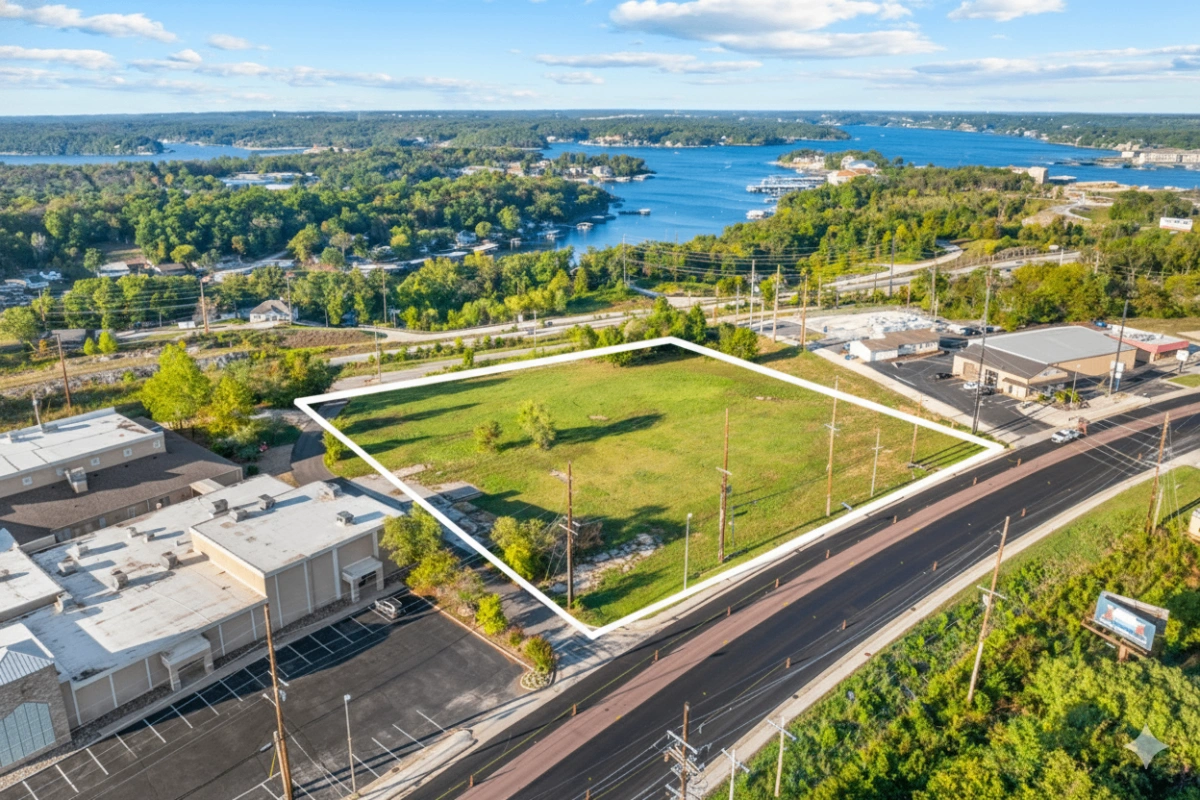
5231 Osage Beach Parkway
About 3 level acres with city water and sewer on site.
See 5231 Osage Beach Pkwy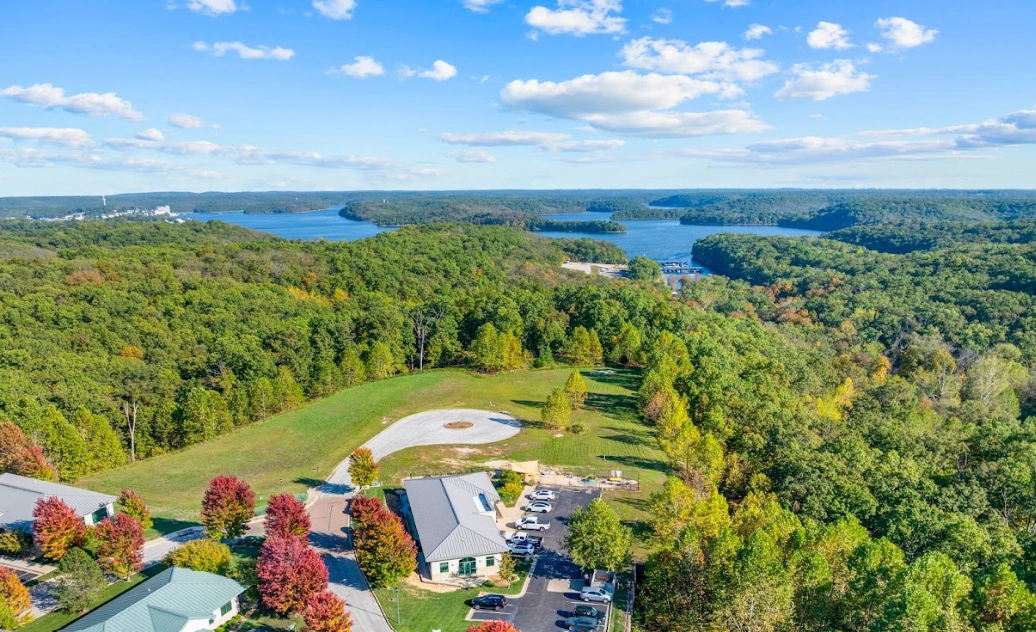
Parkside Village
10 acres zoned C-1 next to a Class A office complex, with a 4-acre build-ready parcel.
See Parkside Village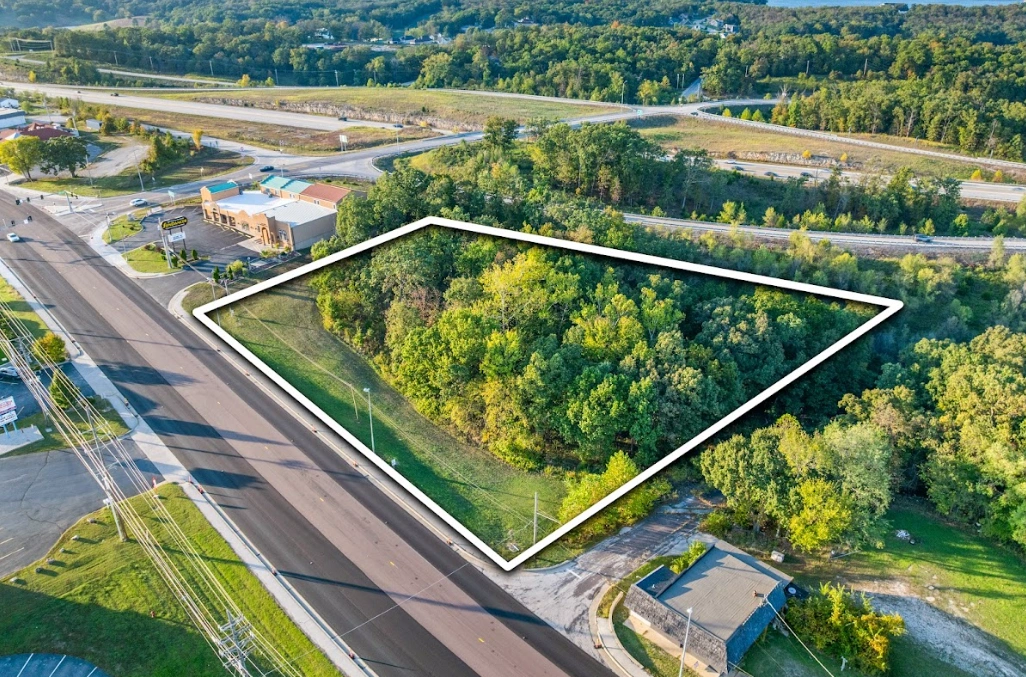
Broadwater Bay
2 acres at a Highway 54 exit, a quarter mile from the lake.
See Broadwater BayTalk Through a Site With Us
Call our realtor, Melissa Kranz, at (573) 216-0482, Monday through Saturday.
We reply within 24 hours.